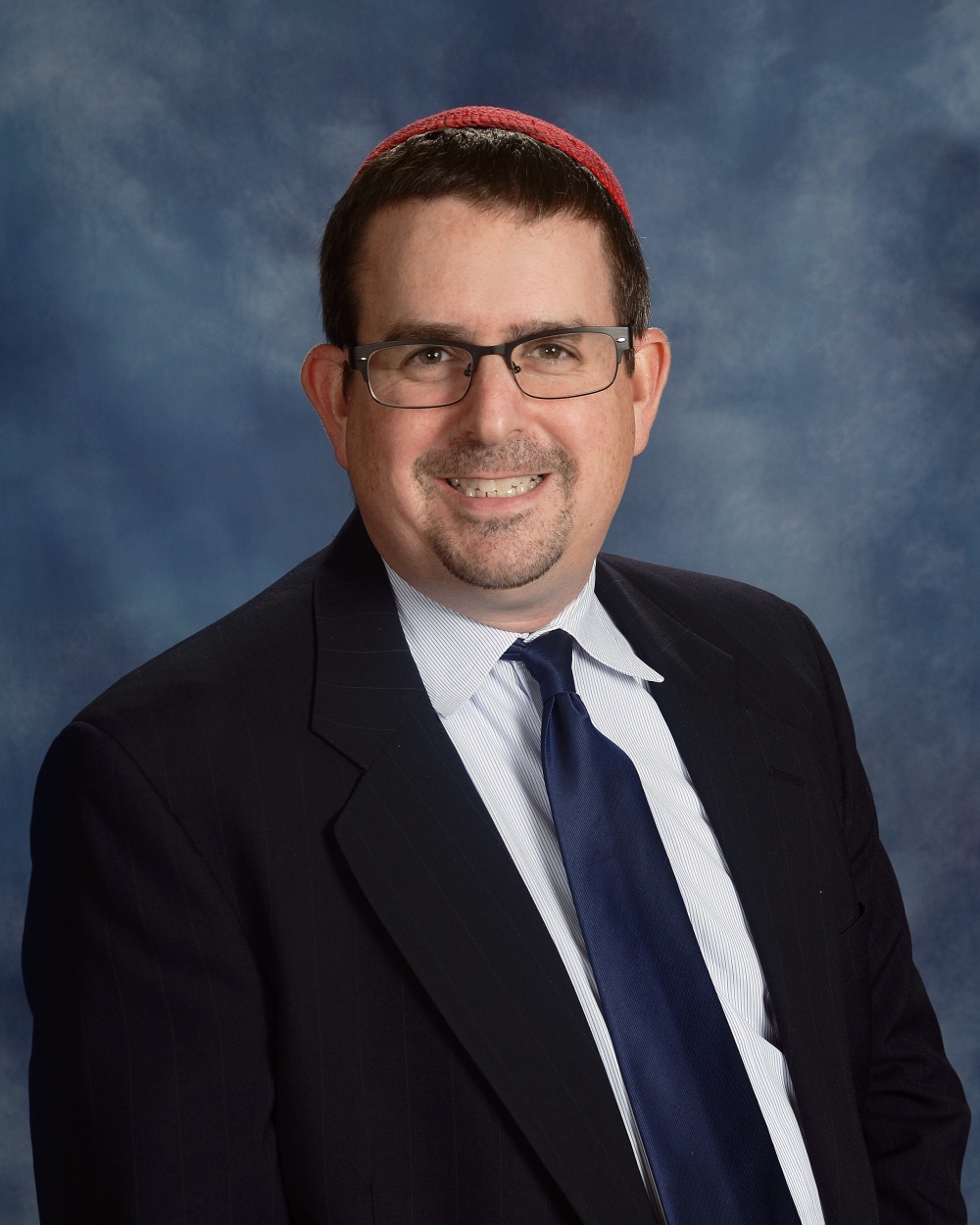
 Rabbi Erin Boxt
CCAR Israel Trip, Day 4
"From Heart to Action"
Today, we began the journey "up to Jerusalem." On the way, we had the opportunity to learn from voices of hope, creativity and shared humanity. This day was about learning how to heal across the divides present in the Israeli/Palestinian communities. Our first stop was a meeting with Daniel at Project 24. (Click on the link to learn more about what Project 24 is all about)
In 1997, Daniel was in the Israeli army - stationed in the security zone between Lebanon and Northern Israel. One night, on a mission called "Wild Landscape," Daniel and his unit (19 soldiers) were sent to station themselves in bushes and observe a Lebanese village that they believed were planning terrorist actions against Northern Israel. They were there for a very long time...and just as they were about to leave, the following happened:
- As they stood up and began to stretch before they turned to go back to their base, they were confronted by 3 Hezbollah terrorists who happened to be patrolling the area. 19 soldiers vs. 3 terrorists = simple, right? Well, one of the bodies rolled down into the village...now, at 2 am, 19 vs. 3 became 19 vs. 600.
Thankfully, they were able to escape and since a couple of the soldiers had been injured, they were helicoptered back to their base. Once everyone checked in and received the medical aid they needed, it was time to return home.
Daniel began his journey home by hitchhiking from the army base. 2 young guys (17ish) who were returning home from a party picked him up, insisting he sit in the front as he was a soldier. The driver turned to Daniel and asked, "How was your night?" It was apparent, at that time, that the Army was there to keep the civilians safe...unaware of the potential dangers that could be faced/were faced by the soldiers.
On October 7, 2023, as contrasted with that one night back in 1997, the civilians were there before the army. The army was not there first to protect the citizens....so, Daniel wondered afterwards (in the days after October 7) "What can we do?"
The front line (the Army) was not there to protect the second front line (the Israeli civilians) or the 3rd front line (Jews in the Diaspora, especially in the United States). Shortly after the attacks of October 7, money and resources began to pour into Israel from the Diaspora. One experience that demonstrates this happened in one of the many hotels that housed those who had been displaced because their homes had been destroyed. A man came into a hotel with a giant bag full of t-shirts. The teenage kids in the hotel only had been able to grab a few articles of clothing as they were fleeing from their homes. He asked how many kids there were and counted out 1 shirt for each of the teens. When Daniel asked him why they only received one shirt each, the man responded, "I have 22 other hotels to help."
Within the first few weeks after October 7, Daniel met with around 1000 people asking them, "What can we do? How are you?" He was focused on looking for the specific needs of those who were now trying to live in a new reality. One woman, Shachar, had a brother - Tsuf. She asked Daniel for a specific Lego Set - the Millennium Falcon. Shachar is autistic and his world had been completely wrecked. For him, the way he was able to cope and communicate was through building Legos. Enter Jared Greenman, owner of "Funky Monkey" toy store in New York. To read Tsuf's story and learn more about what Project 24 is doing, click here.
Do you drink wine? Do you belong to a wine club? Well, if you go to this link https://www.project24israel.org/itsadate, you can buy wine...and a gift certificate will be purchased and given to a Reservist in the Israeli Army and their spouse - for some personal time together once they return home from being away! By checking out the Project 24 website, you will see many other examples of how Israelis are looking hopeful and toward the future.
We then drove to the Arab-Israeli city of Jaljulia. We first met with Mohamed Arar, an entrepreneur and resident of Jaljulia. Since an early age, Mohamed was a volunteer. Growing up in Jaljulia, he heard his beloved home described as a violent city with lots of crime with a high poverty rate in Jaljulia. Education was incredibly important for his family - as a matter of fact all of his brothers and sisters have been well educated, lived abroad and returned home to Jaljulia with one purpose: to affect change in their hometown. His love for zoology and education pushed him to create aps for education, pitching his 1st idea while on a fellowship at MIT. He was very excited about the possibilities to help raise the life expectancy as well as reducing crime - through education and programming.
After our meeting with Mohamed, we were joined by Mayor Darwish Rabi, Matnas Director Yusef Abd El Ghafer (founder and director of the Jaljulia Community Center) and Tzofen-Tashbiq CEO Maisam Jaljuli. Each member of this panel of three Israeli Arab leaders of Jaljulia was asked to describe one challenge their community has faced since October 7, 2023, and the war that followed. Maisam Jaljuli began by lamenting that all society building within the Arab/Israeli communities crumbled beginning with October 7, 2023. Work within the social society (social justice) crumbled as well. Since October 7, they have been trying to rebuild basic foundations - and it is much harder this time (at least much harder than before October 7). Now, those who believe in a civil society/shared society are in the minority (even more than before October 7).
Mayor Rabi had a one word answer - Violence. Since October 7, 2023, there continues to be an increasing fear within the Arab Israeli community that the Israeli police, who is responsible for fighting crime in these Arab Israeli cities, is just sitting back and allowing violence, guns and drugs to run rampant. He continued be expressing hope that the residue since October 7 will not remain in the minds/souls of residents of Jaljulia and other Arab Israeli cities. Without this residue disappearing, there is no way forward. There is a real fear that the Israeli government is giving up and retaliating against Arab communities - even within the Jewish society, not just in the government. Mayor Rabi mentioned a TikTok trend of Jewish Israeli teens looking for Arab bus drivers to target them for harm - and submitting videos to TikTok and other social media outlets.
Yusef Abdul Rafel agreed with Maisam - however, he is looking forward to the future, even with the challenges present. He believes that 2026 with be a year of focusing on community resilience. Rafel stated that while the State of Israel has lots of resources to "create reality," the people have more resources to build the true reality. While referring to the violence and incidents occurring in Minneapolis and comparing what was happening in the United States to what is happening in Israel, he stated that too many people believe the reality being shown by the government. Just like in the United States, the people in the State of Israel (all citizens) need to use their power to affect change and illustrate what a true shared society looks like. That is the reality that needs to be created and shown.
Maisam Jaljuli added the following thoughts: Incitement against Arab Israelis began with those within the Israeli government (especially MK's Smotrich and Ben Gvir) who are inciting fear within the Jewish communities in Israel. The narrative that is being created is one of a "fear of attack from within" Israel. The message being spread is that the terror of Hamas is not as bad as what Arab Israelis will do and how they will react/act out against Israeli Jews. Jaljuli asked the question, "Why should Arab Israelis be afraid of their own government?" There is a real fear among the Arab Israeli communities of being expelled from Israel like the Arabs of 1948.
There is a real feeling of uncertainty within the Arab Israeli communities. These Arab Israelis are citizens of Israel and yet many are afraid of losing their citizenship based on the realities being created and expressed by a government that does not seem to really care about them. If Israel is meant to be a true democracy...all of her citizens need to feel safe and protected. This is not true today in many of the Israeli Jewish and Arab Israeli communities - and yet, there is hope of a real future of a shared society, despite the fears present today.
After a short tour of the city of Jaljulia - which was cut short by a sudden rain storm - we went for a wonderful Humus Lunch at the popular restaurant - Hummus Abu Hani. It was a delightful and yummy lunch. From there, we embarked for our trip "up to Jerusalem." Of course, we were delayed because of traffic...and yet, we still made it to Hebrew Union College to conclude our day with "Songs of Freedom: Israeli Music as a Mirror for the Nation's Complex Realities," a musical learning experience with Rabbi Cantor Shani Ben Or. Because we were late, our program was shortened. I could have listened to the music and the teaching for hours. I was able to take a deep breath and just reflect on the time we had already been in Israel. The music Rabbi Cantor Shani Ben Or taught us was uplifting, sad, spiritual and really provided some really needed reflection time.
For the first time during this trip, I cried. Rabbi Cantor Shani Ben Or played for us a video of Yuval Rafael's (Eurovision 2025 Israeli entry) cover of "Dancing Queen" by ABBA. This song, coupled with Daniel Weiss's cover of Ani Gitara (by Naomi Shemer) brought up feelings I had not been able to express yet.
Here are links to these 2 songs:
Yuval Rafael's cover of "Dancing Queen"
Daniel Weiss's cover of "Ani Gitara"
This was a very long, deep, gut wrenching day. As I write this (one week later), I am still deep in thought regarding my reflections from this one day. It was a perfect ending to the day - and boy was I tired! While I did toss and turn all night long, I believe it was the best night of sleep for me on this trip.
Today, we began the journey "up to Jerusalem." On the way, we had the opportunity to learn from voices of hope, creativity and shared humanity. This day was about learning how to heal across the divides present in the Israeli/Palestinian communities. Our first stop was a meeting with Daniel at Project 24. (Click on the link to learn more about what Project 24 is all about)
In 1997, Daniel was in the Israeli army - stationed in the security zone between Lebanon and Northern Israel. One night, on a mission called "Wild Landscape," Daniel and his unit (19 soldiers) were sent to station themselves in bushes and observe a Lebanese village that they believed were planning terrorist actions against Northern Israel. They were there for a very long time...and just as they were about to leave, the following happened:
- As they stood up and began to stretch before they turned to go back to their base, they were confronted by 3 Hezbollah terrorists who happened to be patrolling the area. 19 soldiers vs. 3 terrorists = simple, right? Well, one of the bodies rolled down into the village...now, at 2 am, 19 vs. 3 became 19 vs. 600.
Thankfully, they were able to escape and since a couple of the soldiers had been injured, they were helicoptered back to their base. Once everyone checked in and received the medical aid they needed, it was time to return home.
Daniel began his journey home by hitchhiking from the army base. 2 young guys (17ish) who were returning home from a party picked him up, insisting he sit in the front as he was a soldier. The driver turned to Daniel and asked, "How was your night?" It was apparent, at that time, that the Army was there to keep the civilians safe...unaware of the potential dangers that could be faced/were faced by the soldiers.
On October 7, 2023, as contrasted with that one night back in 1997, the civilians were there before the army. The army was not there first to protect the citizens....so, Daniel wondered afterwards (in the days after October 7) "What can we do?"
The front line (the Army) was not there to protect the second front line (the Israeli civilians) or the 3rd front line (Jews in the Diaspora, especially in the United States). Shortly after the attacks of October 7, money and resources began to pour into Israel from the Diaspora. One experience that demonstrates this happened in one of the many hotels that housed those who had been displaced because their homes had been destroyed. A man came into a hotel with a giant bag full of t-shirts. The teenage kids in the hotel only had been able to grab a few articles of clothing as they were fleeing from their homes. He asked how many kids there were and counted out 1 shirt for each of the teens. When Daniel asked him why they only received one shirt each, the man responded, "I have 22 other hotels to help."
Within the first few weeks after October 7, Daniel met with around 1000 people asking them, "What can we do? How are you?" He was focused on looking for the specific needs of those who were now trying to live in a new reality. One woman, Shachar, had a brother - Tsuf. She asked Daniel for a specific Lego Set - the Millennium Falcon. Shachar is autistic and his world had been completely wrecked. For him, the way he was able to cope and communicate was through building Legos. Enter Jared Greenman, owner of "Funky Monkey" toy store in New York. To read Tsuf's story and learn more about what Project 24 is doing, click here.
Do you drink wine? Do you belong to a wine club? Well, if you go to this link https://www.project24israel.org/itsadate, you can buy wine...and a gift certificate will be purchased and given to a Reservist in the Israeli Army and their spouse - for some personal time together once they return home from being away! By checking out the Project 24 website, you will see many other examples of how Israelis are looking hopeful and toward the future.
We then drove to the Arab-Israeli city of Jaljulia. We first met with Mohamed Arar, an entrepreneur and resident of Jaljulia. Since an early age, Mohamed was a volunteer. Growing up in Jaljulia, he heard his beloved home described as a violent city with lots of crime with a high poverty rate in Jaljulia. Education was incredibly important for his family - as a matter of fact all of his brothers and sisters have been well educated, lived abroad and returned home to Jaljulia with one purpose: to affect change in their hometown. His love for zoology and education pushed him to create aps for education, pitching his 1st idea while on a fellowship at MIT. He was very excited about the possibilities to help raise the life expectancy as well as reducing crime - through education and programming.
After our meeting with Mohamed, we were joined by Mayor Darwish Rabi, Matnas Director Yusef Abd El Ghafer (founder and director of the Jaljulia Community Center) and Tzofen-Tashbiq CEO Maisam Jaljuli. Each member of this panel of three Israeli Arab leaders of Jaljulia was asked to describe one challenge their community has faced since October 7, 2023, and the war that followed. Maisam Jaljuli began by lamenting that all society building within the Arab/Israeli communities crumbled beginning with October 7, 2023. Work within the social society (social justice) crumbled as well. Since October 7, they have been trying to rebuild basic foundations - and it is much harder this time (at least much harder than before October 7). Now, those who believe in a civil society/shared society are in the minority (even more than before October 7).
Mayor Rabi had a one word answer - Violence. Since October 7, 2023, there continues to be an increasing fear within the Arab Israeli community that the Israeli police, who is responsible for fighting crime in these Arab Israeli cities, is just sitting back and allowing violence, guns and drugs to run rampant. He continued be expressing hope that the residue since October 7 will not remain in the minds/souls of residents of Jaljulia and other Arab Israeli cities. Without this residue disappearing, there is no way forward. There is a real fear that the Israeli government is giving up and retaliating against Arab communities - even within the Jewish society, not just in the government. Mayor Rabi mentioned a TikTok trend of Jewish Israeli teens looking for Arab bus drivers to target them for harm - and submitting videos to TikTok and other social media outlets.
Yusef Abdul Rafel agreed with Maisam - however, he is looking forward to the future, even with the challenges present. He believes that 2026 with be a year of focusing on community resilience. Rafel stated that while the State of Israel has lots of resources to "create reality," the people have more resources to build the true reality. While referring to the violence and incidents occurring in Minneapolis and comparing what was happening in the United States to what is happening in Israel, he stated that too many people believe the reality being shown by the government. Just like in the United States, the people in the State of Israel (all citizens) need to use their power to affect change and illustrate what a true shared society looks like. That is the reality that needs to be created and shown.
Maisam Jaljuli added the following thoughts: Incitement against Arab Israelis began with those within the Israeli government (especially MK's Smotrich and Ben Gvir) who are inciting fear within the Jewish communities in Israel. The narrative that is being created is one of a "fear of attack from within" Israel. The message being spread is that the terror of Hamas is not as bad as what Arab Israelis will do and how they will react/act out against Israeli Jews. Jaljuli asked the question, "Why should Arab Israelis be afraid of their own government?" There is a real fear among the Arab Israeli communities of being expelled from Israel like the Arabs of 1948.
There is a real feeling of uncertainty within the Arab Israeli communities. These Arab Israelis are citizens of Israel and yet many are afraid of losing their citizenship based on the realities being created and expressed by a government that does not seem to really care about them. If Israel is meant to be a true democracy...all of her citizens need to feel safe and protected. This is not true today in many of the Israeli Jewish and Arab Israeli communities - and yet, there is hope of a real future of a shared society, despite the fears present today.
After a short tour of the city of Jaljulia - which was cut short by a sudden rain storm - we went for a wonderful Humus Lunch at the popular restaurant - Hummus Abu Hani. It was a delightful and yummy lunch. From there, we embarked for our trip "up to Jerusalem." Of course, we were delayed because of traffic...and yet, we still made it to Hebrew Union College to conclude our day with "Songs of Freedom: Israeli Music as a Mirror for the Nation's Complex Realities," a musical learning experience with Rabbi Cantor Shani Ben Or. Because we were late, our program was shortened. I could have listened to the music and the teaching for hours. I was able to take a deep breath and just reflect on the time we had already been in Israel. The music Rabbi Cantor Shani Ben Or taught us was uplifting, sad, spiritual and really provided some really needed reflection time.
For the first time during this trip, I cried. Rabbi Cantor Shani Ben Or played for us a video of Yuval Rafael's (Eurovision 2025 Israeli entry) cover of "Dancing Queen" by ABBA. This song, coupled with Daniel Weiss's cover of Ani Gitara (by Naomi Shemer) brought up feelings I had not been able to express yet.
Here are links to these 2 songs:
Yuval Rafael's cover of "Dancing Queen"
Daniel Weiss's cover of "Ani Gitara"
This was a very long, deep, gut wrenching day. As I write this (one week later), I am still deep in thought regarding my reflections from this one day. It was a perfect ending to the day - and boy was I tired! While I did toss and turn all night long, I believe it was the best night of sleep for me on this trip.