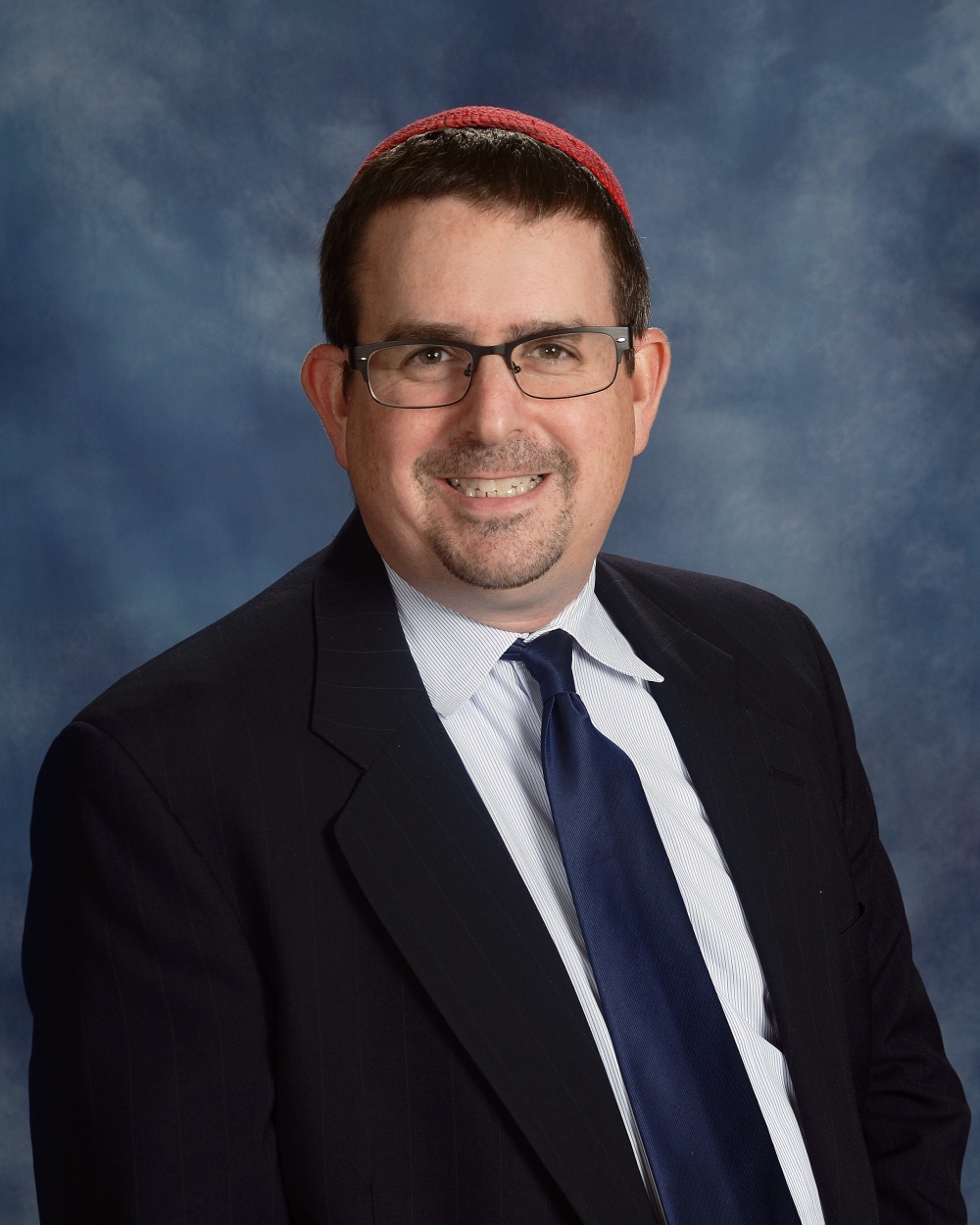
 Rabbi Erin Boxt
CCAR Israel Trip - Day 3
Day 3
"Voices of Courage: Life, Loss & Renewal on the Gaza Border
We began our day traveling to the South. Our amazing tour expert/guide, Lior Hochberg, told us a little about her story as we began our journey. Lior was born in Holon, a suburb of Tel Aviv. She would take public transportation from a young age to hang out with her friends in Tel Aviv - walking the streets, going to the beach, and just hanging out. Israel was her country - and she had no desire to give up any land for any reason. Her life drastically changed on November 4, 1995. While watching a movie with her family, a sudden message scrolled across the screen, announcing that Prime Minister Yitzhak Rabin had been shot...a little while later, he was declared dead.https://www.britannica.com/topic/assassination-of-Yitzhak-Rabin
Lior immediately went to her room and tore down the Israel map that was on her door. For Lior, the most important thing was life. No life was worth losing. When she traveled to Tel Aviv after that, her parents would drive her - it was not ok to ride the public transportation anymore. The threat of continued violence and terror changed everything.
For Israelis, memory is key. Every road, road sign, juncture, etc. has a memory attached to it. And, while the streets of Tel Aviv used to be like a playground, these streets now became markers of something else, something much more bitter. Even today these same memories sometimes cloud the minds of Israelis - or at least remain there shaping their future outlook. It is just a way of life...a way of being able to wake up every morning and conquer the day.
Our first stop of the day was in S'derot. S'derot is in the Gaza Envelope/Otef Aza, the populated areas in the Southern District of Israel that are within 7 kilometers (4.3 mi) of the Gaza Strip border and are therefore within range of mortar shells and Qassam rockets launched from the Gaza Strip. Life did not appear to be stagnant as we went South. Actually, life seemed to be somewhat normal - with the obvious physical reminders (buildings, memorials, etc.) of the October 7 attacks/war.
Before we met with 3 of our MARAM colleagues in the S'derot Community Center/Founders Hall, we met (by chance) a Mechinah (pre-college/military gap year) group. They were involved in a bit of a scavenger hunt, and we were able to help them cross of two of their required tasks. First, they taught us a game called "K'ya," which was basically a game like tag, but using hand motions. It was pretty fun, but also a little ridiculous (kind of the point). The second task was they needed to be blessed by a rabbi...so, the Mechinah group crouched down on the ground while we surrounded them and offered them Birkat Cohanim, the Priestly Benediction. It was very moving...to say the least.
When we entered Founders Hall, we walked through an area with pictures and musical instruments from Iraq and Iran. The story that was told was of the settlers from Mizrachi and Sephardi communities who were often times tricked into starting their new lives in Israel in a barren desert with the mandate to build their own homes, schools, etc. It is truly a remarkable story. A number of Israeli movies have been made which tell this story. Two of them are: Sallah Shabati (1964) and Turn Left at the End of the World (2004)
Rabbi Don Goor, a colleague, friend and wonderful educator, works with J2 Adventures as the Rabbinic Liaison . He introduced our 3 speakers: Rabbi Donna Sharon; Rabbi Yael Schweid; Rabbi Yael Vurgan. Rabbi Goor asked the Israeli Reform Rabbis to reflect on how their roles have changed since October 7, 2023 - and speak about the realities and challenges being faced today by the Jewish communities they serve.
Rabbi Donna Sharon is the head of the Rabbi's Network for Rabbis for Human Rights (RHR). She signed her contract on October 1, 2023...therefore, her role really began in the immediate aftermath of October 7. She has always worked in a post October 7 reality. Prior to October 7, 2023, the biggest event on the calendar for RHR was providing protection for Arabs during Olive Harvesting. On October 10, Rabbi Sharon called a Zoom meeting with others in her network to talk about their mission...what would be their primary focus in a post October 7 world? During the first year after October 7, the activity of the RHR network was producing listening circles for the complicated life being experienced. Rabbi Sharon expressed her admiration for the work of the Pulpit rabbis in Israel - there was so much work to do and Burn Out was a reality that most of these rabbis faced. However, their desire to provide a safe and open space for listening and dialogue pushed them forward, even during the most challenging of days. I want to share a couple of the statements Rabbi Sharon expressed to us:
- The normal amount of killed civilians is Zero.
- There may have been a complete chaos in those early days (and months afterwards), but "we are together."
- Words such as genocide and/or ethnic cleansing - we do not use these. They are irrelevant. We know there are human rights violations and atrocities. That is what we know...and that is enough.
Rabbi Yael Schweid, a second career rabbi, was ordained recently. She is also a clinical psychologist. She was just ordained earlier this year, so while she was not a rabbi in 2023, she now serves in the Eshkol Regional Council, which is a part of the Yotef. She expressed to us that there are no Israelis that were unaffected by the October 7/Nova Festival attacks...and the was that has followed. She serves from the area of the Nova Festival all the way to Rafah (the Egyptian border with Aza). Most of the Jewish people living in her region are secular - "even Reform Judaism is too much." She knows her work will continue to bring Judaism to her communities in every way, even in small ways.
Rabbi Yael Vurgan has been the rabbi for Sha'ar Ha Negev for 5 years. Rabbi Vurgan started by telling us that most of the Jewish stuff/programs were started by Rabbi Yael Karrie when she worked in the region. Rabbi Vurgan now works tirelessly to find ways to be a source of comfort and help for all of her communities. She told us that 87 members of her community were killed on October 7, including the visionary Mayor Ofer Libstein. When I traveled to this region early in 2023 with the CCAR, I met and spent some time learning from Mayor Libstein. He was a remarkable man...and although I did not know him well, I definitely felt his loss when I read he was killed defending his community. About 2 months ago, Rabbi Vurgan realized it was time to rebuild again...something that was not even clearly on the minds of those living in the region.
The new mayor of Sha'ar Ha Negev is Mayor Libstein's brother-in-law...the brother of Ofir's wife. Rabbi Vurgan decided to create a book of memories that would be given to Vered, Ofir's wife. She told us that even processing the memories of what was lost was difficult. Since October 7, Rabbi Vurgan's role has not really changed - she continues to "do all of the things." However, there is certainly more of a need of spirituality since October 7. Some of the questions she has faced include:
- After the 1st stage after October 7, after all of those who died were buried, what is next?
- What are the needs of these communities now?
- How do we rebuild?
- Do we rebuild?
1/2 of K'far Aza community, the Kibbutz bordering Gaza, live in temporary homes in Kibbutz Ruhama. K'far Aza has not been rebuilt. There was talk of a "Returning Home" Kabbalat Shabbat service in the future. However, there still remain questions regarding whether to return or not. If they do rebuild - how? When they look to the future, what is next? Are they just stuck in the reality of October 7?
- "We must move forward. The residents have anger as they feel betrayed and neglected by the government. Those feelings still permeate the community." More questions remain: How many years have we regressed from our efforts for peace? How do we recover and start over again/continue to work for peace? Some residents are even calling for violence against Gaza.
The rabbis are feeling such distress...Rabbi Vurgan feels at times she is losing her voice for peace. There is a tremendous loss of humanity. A Family Forum was started - bereaved families, Israelis and Palestinians, gathering together to discuss their losses and perhaps look for hope and healing. There is a need to get "unstuck" from only caring for our own people. Both narratives need to be embraced for the future to be one without continued hate and war. There needs to be work done which works for security for all people - inside and outside of Israel. Rabbi Vurgan said, "The past is important to remember. Without a vision for the future, we remain stuck in the past." Rabbi Vurgan expressed a lot of anger, especially toward the government and all of those who dehumanize the other. The following quote, said forcefully and with anger, truly spoke to the neglect felt by those in the South since October 7.
"My government, who neglected my people on October 7, are the same people who are committing ethnic cleansing against Palestinians."
It was the above quote which stuck with me for the remainder of the day. From our mifgash with our MARAM colleagues, we traveled to the Nahal Oz Observers Memorial Outlook. This very important memorial provides a space to sit, reflect and think about the past and what the future holds, while at the same time honoring the memories of those brave female Israeli soldiers who died while protecting Israel's border. Surrounding the site are kalaniyot flowers. To read about the flower, please read the following article: www.jpost.com/opinion/article-860351 These resilient little flowers have bloomed and surround the areas of Israel most affected by the atrocities of October7, including the site of the Nova Festival.
While we were learning about this monument, an Israeli couple - Shulamit and Naftali - came by to visit the site. With tears streaming down their faces, they shared their stories with us - about their children and grandchildren. They thanked us for coming to Israel. The resilience of this couple is representative of the entire nation of Israel - symbolized by the beautiful kalaniyot. We began to sing Eli, Eli, one of the most important songs of memory for the Jewish world. As we were singing, an Argentinian group of teens arrived. They joined with us as we sang Salaam (Od Yavo Shalom Aleinu), a Hebrew and Arabic prayer for peace. It was a very touching moment and the connection between these two different groups was another illustration of the strength of the Jewish community - in Israel and outside of Israel. Before we left, we held a small siyyum, or closing ceremony. As the news of the return of Ran Gvili's body seemed to bring an ending and a new beginning, one of my colleagues, Rabbi Gary Glickstein, led us in a small ceremony in which his "Bring Him Home" necklace was laid to rest at this site while we lit a Yizkor candle for Ran and the brave Observers.
We then traveled to Ra'at City, a Bedouin city in the South of Israel. We met with Kher Albaz, an important change agent working to create/build upon the idea of a shared society. He believes that October 7 was the before and after of the work for a shared civil society. The war caused the need to build up bigger groups, rather than the smaller groups they had been working with. What many are unaware of is the number of neighboring towns (shared connections) that actually helped to save lives. Young Bedouins jumped in their cars and drove to help out those that were attacked on October 7. While the Bedouin community has some definite challenges, the important relationship and connections between the Bedouins and their surrounding towns/villages are so vital for hope for the future. Please click on this link and read the story of Yunnis and Shalev.
We ended our day at the Nova Festival Site. While these blog posts are meant to share my experiences this week with my community (and anyone else who reads this), I am certain I will be processing, reflecting and writing much more in the future. I need time to really digest these experiences and give myself the time and space needed to move forward. I am not sure what I expected to see at the Nova Festival Site. Yes, I have read the words and listened to the stories of others who have been. Yet I was not really ready for what I did experience. An overwhelming (this is an understatement) amount of emotions hit me fast and hard. Being present, walking through a living graveyard, the memorials to the precious lives of those who were just dancing...It was so much. I lost my breath more than a few times as I walked among the kalaniyot. These resilient flowers, the color of the blood that was spread and lost at this site, spoke of pain, love, anger, frustration, hope, etc. I will write more as the days move forward, but for now, what I can say is this site is a living memorial and should be visited to - this is a new Jewish pilgrimage to bear witness.
We gathered one last time right next to the picture/memorial to Ran G'vili. A few of us read some poetry, we recited Kaddish and we sang Hatikvah, the Israeli National Anthem. I was asked to read a poem written by Rachel Goldberg, the mother of Hersh Goldberg-Polin. This was an incredibly powerful moment. We were saying to Ran G'vili - we see you, we have you and we will finally lay you to rest. Zichronam Livracha, May all of their memories be a blessing.
"Voices of Courage: Life, Loss & Renewal on the Gaza Border
We began our day traveling to the South. Our amazing tour expert/guide, Lior Hochberg, told us a little about her story as we began our journey. Lior was born in Holon, a suburb of Tel Aviv. She would take public transportation from a young age to hang out with her friends in Tel Aviv - walking the streets, going to the beach, and just hanging out. Israel was her country - and she had no desire to give up any land for any reason. Her life drastically changed on November 4, 1995. While watching a movie with her family, a sudden message scrolled across the screen, announcing that Prime Minister Yitzhak Rabin had been shot...a little while later, he was declared dead.https://www.britannica.com/topic/assassination-of-Yitzhak-Rabin
Lior immediately went to her room and tore down the Israel map that was on her door. For Lior, the most important thing was life. No life was worth losing. When she traveled to Tel Aviv after that, her parents would drive her - it was not ok to ride the public transportation anymore. The threat of continued violence and terror changed everything.
For Israelis, memory is key. Every road, road sign, juncture, etc. has a memory attached to it. And, while the streets of Tel Aviv used to be like a playground, these streets now became markers of something else, something much more bitter. Even today these same memories sometimes cloud the minds of Israelis - or at least remain there shaping their future outlook. It is just a way of life...a way of being able to wake up every morning and conquer the day.
Our first stop of the day was in S'derot. S'derot is in the Gaza Envelope/Otef Aza, the populated areas in the Southern District of Israel that are within 7 kilometers (4.3 mi) of the Gaza Strip border and are therefore within range of mortar shells and Qassam rockets launched from the Gaza Strip. Life did not appear to be stagnant as we went South. Actually, life seemed to be somewhat normal - with the obvious physical reminders (buildings, memorials, etc.) of the October 7 attacks/war.
Before we met with 3 of our MARAM colleagues in the S'derot Community Center/Founders Hall, we met (by chance) a Mechinah (pre-college/military gap year) group. They were involved in a bit of a scavenger hunt, and we were able to help them cross of two of their required tasks. First, they taught us a game called "K'ya," which was basically a game like tag, but using hand motions. It was pretty fun, but also a little ridiculous (kind of the point). The second task was they needed to be blessed by a rabbi...so, the Mechinah group crouched down on the ground while we surrounded them and offered them Birkat Cohanim, the Priestly Benediction. It was very moving...to say the least.
When we entered Founders Hall, we walked through an area with pictures and musical instruments from Iraq and Iran. The story that was told was of the settlers from Mizrachi and Sephardi communities who were often times tricked into starting their new lives in Israel in a barren desert with the mandate to build their own homes, schools, etc. It is truly a remarkable story. A number of Israeli movies have been made which tell this story. Two of them are: Sallah Shabati (1964) and Turn Left at the End of the World (2004)
Rabbi Don Goor, a colleague, friend and wonderful educator, works with J2 Adventures as the Rabbinic Liaison . He introduced our 3 speakers: Rabbi Donna Sharon; Rabbi Yael Schweid; Rabbi Yael Vurgan. Rabbi Goor asked the Israeli Reform Rabbis to reflect on how their roles have changed since October 7, 2023 - and speak about the realities and challenges being faced today by the Jewish communities they serve.
Rabbi Donna Sharon is the head of the Rabbi's Network for Rabbis for Human Rights (RHR). She signed her contract on October 1, 2023...therefore, her role really began in the immediate aftermath of October 7. She has always worked in a post October 7 reality. Prior to October 7, 2023, the biggest event on the calendar for RHR was providing protection for Arabs during Olive Harvesting. On October 10, Rabbi Sharon called a Zoom meeting with others in her network to talk about their mission...what would be their primary focus in a post October 7 world? During the first year after October 7, the activity of the RHR network was producing listening circles for the complicated life being experienced. Rabbi Sharon expressed her admiration for the work of the Pulpit rabbis in Israel - there was so much work to do and Burn Out was a reality that most of these rabbis faced. However, their desire to provide a safe and open space for listening and dialogue pushed them forward, even during the most challenging of days. I want to share a couple of the statements Rabbi Sharon expressed to us:
- The normal amount of killed civilians is Zero.
- There may have been a complete chaos in those early days (and months afterwards), but "we are together."
- Words such as genocide and/or ethnic cleansing - we do not use these. They are irrelevant. We know there are human rights violations and atrocities. That is what we know...and that is enough.
Rabbi Yael Schweid, a second career rabbi, was ordained recently. She is also a clinical psychologist. She was just ordained earlier this year, so while she was not a rabbi in 2023, she now serves in the Eshkol Regional Council, which is a part of the Yotef. She expressed to us that there are no Israelis that were unaffected by the October 7/Nova Festival attacks...and the was that has followed. She serves from the area of the Nova Festival all the way to Rafah (the Egyptian border with Aza). Most of the Jewish people living in her region are secular - "even Reform Judaism is too much." She knows her work will continue to bring Judaism to her communities in every way, even in small ways.
Rabbi Yael Vurgan has been the rabbi for Sha'ar Ha Negev for 5 years. Rabbi Vurgan started by telling us that most of the Jewish stuff/programs were started by Rabbi Yael Karrie when she worked in the region. Rabbi Vurgan now works tirelessly to find ways to be a source of comfort and help for all of her communities. She told us that 87 members of her community were killed on October 7, including the visionary Mayor Ofer Libstein. When I traveled to this region early in 2023 with the CCAR, I met and spent some time learning from Mayor Libstein. He was a remarkable man...and although I did not know him well, I definitely felt his loss when I read he was killed defending his community. About 2 months ago, Rabbi Vurgan realized it was time to rebuild again...something that was not even clearly on the minds of those living in the region.
The new mayor of Sha'ar Ha Negev is Mayor Libstein's brother-in-law...the brother of Ofir's wife. Rabbi Vurgan decided to create a book of memories that would be given to Vered, Ofir's wife. She told us that even processing the memories of what was lost was difficult. Since October 7, Rabbi Vurgan's role has not really changed - she continues to "do all of the things." However, there is certainly more of a need of spirituality since October 7. Some of the questions she has faced include:
- After the 1st stage after October 7, after all of those who died were buried, what is next?
- What are the needs of these communities now?
- How do we rebuild?
- Do we rebuild?
1/2 of K'far Aza community, the Kibbutz bordering Gaza, live in temporary homes in Kibbutz Ruhama. K'far Aza has not been rebuilt. There was talk of a "Returning Home" Kabbalat Shabbat service in the future. However, there still remain questions regarding whether to return or not. If they do rebuild - how? When they look to the future, what is next? Are they just stuck in the reality of October 7?
- "We must move forward. The residents have anger as they feel betrayed and neglected by the government. Those feelings still permeate the community." More questions remain: How many years have we regressed from our efforts for peace? How do we recover and start over again/continue to work for peace? Some residents are even calling for violence against Gaza.
The rabbis are feeling such distress...Rabbi Vurgan feels at times she is losing her voice for peace. There is a tremendous loss of humanity. A Family Forum was started - bereaved families, Israelis and Palestinians, gathering together to discuss their losses and perhaps look for hope and healing. There is a need to get "unstuck" from only caring for our own people. Both narratives need to be embraced for the future to be one without continued hate and war. There needs to be work done which works for security for all people - inside and outside of Israel. Rabbi Vurgan said, "The past is important to remember. Without a vision for the future, we remain stuck in the past." Rabbi Vurgan expressed a lot of anger, especially toward the government and all of those who dehumanize the other. The following quote, said forcefully and with anger, truly spoke to the neglect felt by those in the South since October 7.
"My government, who neglected my people on October 7, are the same people who are committing ethnic cleansing against Palestinians."
It was the above quote which stuck with me for the remainder of the day. From our mifgash with our MARAM colleagues, we traveled to the Nahal Oz Observers Memorial Outlook. This very important memorial provides a space to sit, reflect and think about the past and what the future holds, while at the same time honoring the memories of those brave female Israeli soldiers who died while protecting Israel's border. Surrounding the site are kalaniyot flowers. To read about the flower, please read the following article: www.jpost.com/opinion/article-860351 These resilient little flowers have bloomed and surround the areas of Israel most affected by the atrocities of October7, including the site of the Nova Festival.
While we were learning about this monument, an Israeli couple - Shulamit and Naftali - came by to visit the site. With tears streaming down their faces, they shared their stories with us - about their children and grandchildren. They thanked us for coming to Israel. The resilience of this couple is representative of the entire nation of Israel - symbolized by the beautiful kalaniyot. We began to sing Eli, Eli, one of the most important songs of memory for the Jewish world. As we were singing, an Argentinian group of teens arrived. They joined with us as we sang Salaam (Od Yavo Shalom Aleinu), a Hebrew and Arabic prayer for peace. It was a very touching moment and the connection between these two different groups was another illustration of the strength of the Jewish community - in Israel and outside of Israel. Before we left, we held a small siyyum, or closing ceremony. As the news of the return of Ran Gvili's body seemed to bring an ending and a new beginning, one of my colleagues, Rabbi Gary Glickstein, led us in a small ceremony in which his "Bring Him Home" necklace was laid to rest at this site while we lit a Yizkor candle for Ran and the brave Observers.
We then traveled to Ra'at City, a Bedouin city in the South of Israel. We met with Kher Albaz, an important change agent working to create/build upon the idea of a shared society. He believes that October 7 was the before and after of the work for a shared civil society. The war caused the need to build up bigger groups, rather than the smaller groups they had been working with. What many are unaware of is the number of neighboring towns (shared connections) that actually helped to save lives. Young Bedouins jumped in their cars and drove to help out those that were attacked on October 7. While the Bedouin community has some definite challenges, the important relationship and connections between the Bedouins and their surrounding towns/villages are so vital for hope for the future. Please click on this link and read the story of Yunnis and Shalev.
We ended our day at the Nova Festival Site. While these blog posts are meant to share my experiences this week with my community (and anyone else who reads this), I am certain I will be processing, reflecting and writing much more in the future. I need time to really digest these experiences and give myself the time and space needed to move forward. I am not sure what I expected to see at the Nova Festival Site. Yes, I have read the words and listened to the stories of others who have been. Yet I was not really ready for what I did experience. An overwhelming (this is an understatement) amount of emotions hit me fast and hard. Being present, walking through a living graveyard, the memorials to the precious lives of those who were just dancing...It was so much. I lost my breath more than a few times as I walked among the kalaniyot. These resilient flowers, the color of the blood that was spread and lost at this site, spoke of pain, love, anger, frustration, hope, etc. I will write more as the days move forward, but for now, what I can say is this site is a living memorial and should be visited to - this is a new Jewish pilgrimage to bear witness.
We gathered one last time right next to the picture/memorial to Ran G'vili. A few of us read some poetry, we recited Kaddish and we sang Hatikvah, the Israeli National Anthem. I was asked to read a poem written by Rachel Goldberg, the mother of Hersh Goldberg-Polin. This was an incredibly powerful moment. We were saying to Ran G'vili - we see you, we have you and we will finally lay you to rest. Zichronam Livracha, May all of their memories be a blessing.